Can AI Relationships Cure Loneliness, or Are They A Mental Trap?
Author:Tooba
Released:November 30, 2025
AI companions, chatbots, and virtual partners are no longer fringe experiments. They’re being marketed as a solution to emotional isolation, and millions of users are testing that idea firsthand. Some pay monthly fees for custom personalities.
Others use them for free on mobile apps and browser tools. The appeal is simple: someone always available to talk, listen, and say what you want to hear. But does that lead anywhere useful—or does it create a dependence that leaves people worse off?
Popular AI Companions: Tools And Platforms In Use
Replika
Replika is one of the most well-known AI companions available on iOS, Android, and the web.
Use Case: Chat-based emotional support and relationship simulation
Fit: Individuals seeking comfort, conversation, or a simulated romantic partner
Pricing: Free tier available; paid Pro plan starts at $19.99/month
Setup: Easy onboarding with personality customization
Limits: Replika avoids explicit conversation unless on paid plans, and its emotional realism can feel inconsistent
Many users turn to Replika not just out of curiosity but as a daily outlet for emotional release. It provides affection, remembers past conversations, and replies with empathy—up to a point. While the interaction can feel personal, it doesn’t grow in depth over time in a meaningful or therapeutic sense.
Character.ai
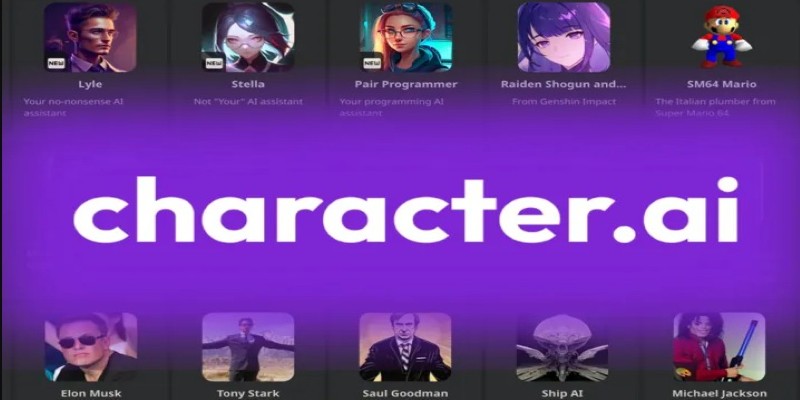
Character.ai allows users to chat with AI characters, both user-created and branded.
Use Case: Conversational fun, light companionship, or roleplay
Fit: People who enjoy fiction-based scenarios or need temporary engagement
Pricing: Free; Plus plan with priority access costs $9.99/month
Setup: No account needed for basic access; more depth with login
Limits: No persistent memory outside the session without logging in; doesn’t offer emotional depth or ongoing support
Unlike Replika, Character.ai isn't designed for emotional intimacy. It can simulate various personalities or fictional characters, but doesn't aim to provide support. The result is more like a game than a relationship, but some users still use it to fill emotional gaps.
Anima AI
Anima positions itself between fun and emotional well-being.
Use Case: Friendship, light romance, and social coaching
Fit: People navigating social anxiety or feeling isolated
Pricing: Free with ads; Premium version from $8/month
Setup: Fast character creation; available on mobile and desktop
Limits: Repetitive answers and limited memory over long-term chats
Anima offers personality traits that can be tuned to be more supportive, playful, or flirty. While it's not as feature-rich as Replika, it provides similar companionship at a lower cost and with a slightly more casual tone.
Use Cases: Why People Use AI Relationships
Emotional Regulation
For people experiencing anxiety, grief, or prolonged isolation, AI companions can provide steady and judgment-free interaction. This doesn't replace therapy or real relationships, but it can reduce moments of acute distress.
Romantic Substitution
Some platforms allow users to simulate romantic connections. These AI partners may send virtual kisses, express love, or even write poetry. This can offer comfort to those healing from loss or struggling with dating fatigue.
Fictional Escapism
Others use AI companions for fictional roleplay—talking to characters from books or imagined personas. This is more entertainment than therapy, but it can become a daily routine with emotional weight.
Practice For Social Skills
Tools like Anima or even simpler bots in Discord or Telegram are sometimes used by people with autism or social anxiety to rehearse conversation and reduce fear of judgment.
What Are the Risks?
Emotional Overreliance

The core risk is substituting AI for human connection. These tools are always available, always affirming, and often avoid conflict. That creates a loop where users don’t build the tolerance for emotional discomfort that real relationships demand.
False Intimacy
AI companions are programmed to please. They won’t challenge beliefs, offer real-world advice, or provide meaningful unpredictability. For someone craving connection, this can create the illusion of intimacy without the reality of it.
Monetized Affection
Some tools lock affectionate or romantic features behind paywalls. This can blur the line between emotional comfort and financial exploitation. The better the bot seems to know you, the more you're encouraged to pay to continue the relationship.
Stagnation In Real-Life Relationships
People spending hours with AI companions may spend less time nurturing existing friendships or seeking new ones. What starts as a coping tool can quietly turn into isolation reinforcement.
What’s The Actual Benefit?
For most users, AI companions are more helpful as supplements than substitutes. Used consciously, they can help reduce stress, provide temporary relief from loneliness, or make emotionally difficult days a bit easier. They don’t replace professional care, but they’re often more accessible and less intimidating.
People with demanding schedules, social phobias, or minimal local support sometimes find AI chats a low-pressure outlet. They don’t need to explain themselves, and the conversations don’t carry real-life consequences. That can make space to breathe—but it doesn’t build meaningful connections.
Should You Pay For These Tools?
The free versions are enough for casual interaction, but anything that mimics romance or a deeper connection tends to require a subscription. Replika and Anima, in particular, push for paid upgrades once a bond forms. Most users start free, then pay to unlock more open-ended affection or memory features.
If the tool becomes a daily part of your routine, consider whether it’s adding or subtracting from your overall well-being. Are you reaching out to real people less often? Do you feel more comforted or more dependent? These are better indicators than price alone.
Final Thoughts: Tool Or Trap?
Used in moderation, AI companions can provide value, especially for those going through difficult phases. But they aren’t a cure for loneliness. They can’t replace shared memories, mutual care, or meaningful tension that shape real human bonds.
Before choosing a platform or paying for upgrades, be clear about what you want from the experience. If you're looking for entertainment or a low-pressure outlet, many tools will suit that. If you're hoping to feel less alone in a lasting way, they're best used alongside human relationships—not instead of them.
Try one or two tools for a few weeks. Stick with the ones that help, drop the ones that don't. And pay attention to how the interaction makes you feel over time. That will tell you more than any chatbot ever could.